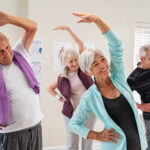
As we age, maintaining a physically active lifestyle becomes increasingly vital for overall health and well-being. Regular exercise not only helps in preserving physical strength and mobility but also plays a crucial role in cognitive function, mood regulation, and social engagement. For seniors, finding activities that are both enjoyable and safe is key to consistent participation. This comprehensive guide explores ten fun and safe exercises specifically tailored for older adults, offering practical advice and highlighting the numerous benefits of staying active in your golden years.
The Importance of Exercise for Seniors
Engaging in regular physical activity offers a myriad of benefits for seniors, impacting both physical and mental health. Physically, exercise helps maintain muscle mass and bone density, reducing the risk of osteoporosis and fractures. It improves cardiovascular health, lowers blood pressure, and can help manage chronic conditions such as diabetes and arthritis. Improved balance and coordination significantly decrease the risk of falls, a major concern for older adults.
Beyond the physical, exercise has profound cognitive and emotional advantages. It can enhance memory, focus, and problem-solving skills, and has been shown to reduce the risk of cognitive decline. Social interaction often accompanies group exercise classes, combating feelings of loneliness and isolation. Furthermore, physical activity is a powerful mood booster, alleviating symptoms of depression and anxiety by releasing endorphins, the body’s natural feel-good chemicals.
General Safety Tips for Senior Exercise
Before embarking on any new exercise regimen, it is crucial for seniors to consult with their healthcare provider to ensure the chosen activities are appropriate for their individual health status. Once cleared, several safety precautions should be observed:
- Start Slow and Progress Gradually: Begin with low intensity and short durations, gradually increasing as strength and stamina improve.
- Listen to Your Body: Pay attention to any pain or discomfort. Exercise should not hurt.
- Stay Hydrated: Drink water before, during, and after exercise, even if you don’t feel thirsty.
- Wear Appropriate Footwear and Clothing: Choose comfortable, supportive shoes and breathable clothing.
- Warm-Up and Cool-Down: Always start with 5-10 minutes of light warm-up exercises and end with a cool-down and stretching.
- Exercise with a Buddy or in a Group: This provides motivation and an extra layer of safety.
- Know Your Limits: Don’t push yourself too hard, especially when starting out.
10 Proven Exercises That Prevent Falls & Boost Energy
1. Walking
Walking is perhaps the simplest yet most effective form of exercise for seniors. It’s low-impact, requires no special equipment other than a good pair of shoes, and can be done almost anywhere. Regular walking improves cardiovascular health, strengthens bones, enhances balance, and boosts mood. Start with short walks (10-15 minutes) and gradually increase duration and intensity. Consider walking with a friend or joining a walking group for added motivation and social interaction.
2. Water Aerobics
Water aerobics is an excellent option for seniors, especially those with joint pain or mobility issues. The buoyancy of water reduces the impact on joints, making movements easier and more comfortable. It provides a full-body workout, improving cardiovascular fitness, strength, and flexibility without the strain of land-based exercises. Many community centers and gyms offer senior-specific water aerobics classes, providing a fun and social environment.
3. Chair Yoga
Chair yoga is a gentle form of yoga that allows participants to perform poses while seated or using a chair for support. It’s ideal for seniors with limited mobility or balance concerns. Chair yoga improves flexibility, strength, balance, and mental clarity. It can also help reduce stress and improve circulation. Many online resources and local community centers offer chair yoga classes, making it accessible to a wide range of abilities.
4. Resistance Band Workouts
Resistance bands are versatile, portable, and effective tools for building strength and improving flexibility. They offer a low-impact way to work various muscle groups without the need for heavy weights. Seniors can use resistance bands for exercises targeting arms, legs, and core, adjusting the resistance level to match their strength. These workouts can be done at home, making them a convenient option for maintaining muscle tone and preventing sarcopenia (age-related muscle loss).
5. Dancing
Dancing is a fantastic way to combine physical activity with social interaction and mental stimulation. Whether it’s ballroom dancing, line dancing, or simply moving to your favorite tunes at home, dancing improves cardiovascular health, balance, coordination, and flexibility. It’s also a wonderful stress reliever and mood enhancer. Many senior centers and dance studios offer classes tailored for older adults, providing a fun and engaging way to stay active.
6. Tai Chi
Tai Chi is a gentle, low-impact martial art that involves a series of slow, flowing movements and deep breathing. It is particularly beneficial for seniors, as it significantly improves balance, flexibility, muscle strength, and cardiovascular fitness. Tai Chi also promotes mental calmness and reduces stress. Its meditative nature makes it an excellent practice for overall well-being, and many studies have shown its effectiveness in preventing falls among older adults.
7. Gardening
Gardening is more than just a hobby; it’s a therapeutic and physically beneficial activity for seniors. Digging, planting, weeding, and watering all contribute to improved strength, flexibility, and dexterity. It also provides exposure to sunlight, which is essential for Vitamin D production, and offers a sense of purpose and accomplishment. Raised garden beds and ergonomic tools can make gardening more accessible for those with physical limitations.
8. Cycling (Stationary or Tricycle)
Cycling, especially on a stationary bike or a tricycle, offers an excellent cardiovascular workout with minimal impact on joints. It strengthens leg muscles, improves stamina, and can be a great way to enjoy the outdoors (with a tricycle) or exercise indoors regardless of weather conditions. Stationary bikes often come with adjustable resistance levels and comfortable seating, making them a safe and effective option for seniors.
9. Balance Exercises
Falls are a leading cause of injury among seniors, making balance exercises incredibly important. Simple exercises like standing on one foot, heel-to-toe walking, or using a stability ball can significantly improve balance and coordination. Incorporating these exercises into a daily routine can reduce the risk of falls and enhance overall mobility and confidence. Many senior fitness programs include dedicated balance training.
10. Light Strength Training
Strength training is crucial for maintaining muscle mass, bone density, and metabolic rate. For seniors, light strength training using dumbbells, resistance bands, or body weight can be highly effective. Focus on major muscle groups, performing exercises like bicep curls, tricep extensions, squats (with chair support), and lunges. Proper form is paramount to prevent injury, so consider working with a certified trainer or attending senior-specific strength training classes.
Incorporating Exercise into Daily Life
Integrating regular physical activity into daily life doesn’t have to be a daunting task. Small, consistent changes can lead to significant improvements in health and well-being. Consider setting realistic goals, such as a 30-minute walk three times a week, and gradually increasing the duration or intensity. Finding an exercise buddy or joining a group can provide accountability and make the experience more enjoyable. Explore local community centers, senior fitness programs, or even online classes that cater specifically to older adults. Remember, consistency is more important than intensity, and every bit of movement counts towards a healthier, more active lifestyle.
When to Seek Professional Help
While regular exercise is highly beneficial, there are times when professional guidance or care becomes necessary. If you experience persistent pain, unusual fatigue, dizziness, or any new or worsening symptoms during or after exercise, it’s crucial to consult a healthcare professional immediately. They can assess your condition, provide an accurate diagnosis, and recommend appropriate modifications to your exercise routine or suggest alternative activities.
For seniors requiring assistance with daily activities, personal care, or specialized medical support at home, services like SharpHomeCare.com can provide invaluable support. They offer a range of personalized home care services designed to help seniors maintain their independence and quality of life in the comfort of their own homes. Similarly, if you or a loved one needs non-medical assistance during a hospital stay, such as companionship, advocacy, or help with communication, TheHospitalSitters.com offers dedicated sitters who can provide comfort and support, ensuring a more pleasant and safe hospital experience. These services can complement an active lifestyle by providing the necessary support system for overall well-being.
Conclusion and Call to Action
Staying active in your senior years is one of the most powerful ways to enhance your quality of life, maintain independence, and enjoy a healthier, happier retirement. The ten exercises outlined above offer a diverse range of options, ensuring there’s something fun and safe for everyone, regardless of current fitness levels or physical limitations. Remember to always prioritize safety, listen to your body, and consult with healthcare professionals when needed.
Don’t let age be a barrier to a vibrant and active life. Start today by choosing one or two activities that pique your interest, and gradually incorporate them into your routine. Your body and mind will thank you. For more resources on senior wellness and healthy aging, explore SeniorWellnessJourney.com, and remember that professional support from SharpHomeCare.com and TheHospitalSitters.com is always available to ensure your well-being every step of the way.